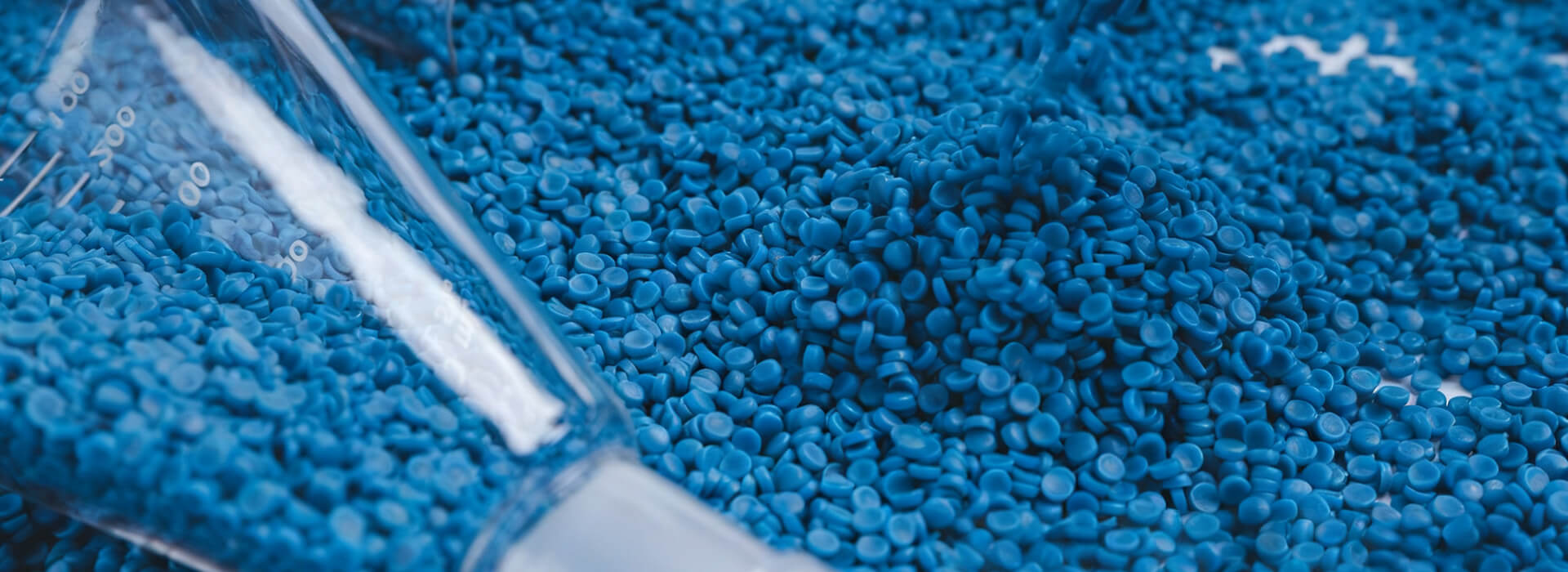
Product Name: Polyvinyl Chloride Resin
Chemical Name: Polyvinyl Chloride
CAS Number: 9002-86-2
Synonyms: PVC; Chloroethene, Polymer
Recommended Use: Used in pipes, cable insulation, medical equipment, and packaging materials
Manufacturer: Manufacturer information available on container or supply documentation
Emergency Contact: Refer to company emergency line on the product packaging or technical data sheet
Classification: Not classified as hazardous under current OSHA standards, but dust or fumes can cause respiratory irritation
Signal Word: No signal word required under GHS
Hazard Statements: May cause eye or skin irritation; inhalation of dust or thermal decomposition fumes can irritate respiratory system
Precautionary Statements: Avoid creating dust clouds; wash hands after handling; use adequate ventilation; do not eat or drink while handling
Potential Health Effects: Repeated exposure to dust may aggravate preexisting lung conditions; hot processing can generate hydrogen chloride and other harmful gases
Chemical Composition: Polyvinyl chloride (>95%), minor additives may include stabilizers, plasticizers, or lubricants
Other Components: Trace amounts of vinyl chloride monomer may remain from polymerization; some grades include titanium dioxide or carbon black as pigments
Impurities: Heavy metals used in legacy stabilizer systems may be present at trace levels in certain formulations
Inhalation: Move affected person to fresh air; seek medical attention for persistent symptoms
Skin Contact: Wash thoroughly with soap and water; remove contaminated clothing
Eye Contact: Immediately flush with water for at least 15 minutes; remove contact lenses if present and easy to do; consult physician as needed
Ingestion: Rinse mouth; seek medical advice if large quantities have been swallowed
Additional Advice: For exposure to hot molten material, cool area rapidly with plenty of water and seek medical attention for burns
Suitable Extinguishing Media: Water spray, dry chemical, foam, or carbon dioxide
Unsuitable Media: Do not use direct water jet if material has melted
Specific Hazards: Decomposition at high temperatures releases hydrogen chloride gas and possible carbon monoxide
Protective Equipment: Firefighters should wear self-contained breathing apparatus and full protective gear due to toxic gas generation
Special Procedures: Evacuate area; use water spray to cool containers and control vapors; avoid inhaling combustion products
Personal Precautions: Wear appropriate respiratory protection and gloves, especially in dust-rich environments
Environmental Precautions: Prevent product from entering drains and watercourses; sweep up to minimize airborne particles
Clean-Up Methods: Collect by mechanical means and transfer to suitable container for reuse or disposal; avoid generating dust; ventilate area
Disposal: Refer to local waste handling regulations for final disposal
Handling: Use in well-ventilated areas; avoid creating or breathing dust; minimize contact with skin and eyes; keep food and drinks away from storage and handling areas
Storage Conditions: Store in a cool, dry, and well-ventilated place away from incompatible materials like strong acids and oxidizers; protect from moisture to avoid clumping
Specific Requirements: Keep bags or containers tightly closed; product is stable under recommended storage conditions; store away from direct sunlight or heat sources
Exposure Limits: No occupational exposure limit for PVC polymer itself, but vinyl chloride monomer (if present) has strict limits, generally 1 ppm TWA as set by OSHA
Engineering Controls: Use local exhaust ventilation to control dust or fume levels, especially during high-temperature processing
Personal Protective Equipment: Use safety goggles or face shield, impervious gloves, and respirator approved for nuisance dusts when handling bulk or during processes generating dust or thermal fumes
Hygiene Measures: Wash hands before eating, after handling; do not smoke or eat in work area; remove contaminated clothing promptly
Appearance: White or slightly colored powder or granular solid
Odor: Odorless, though some formulations may have faint plastic smell
Odor Threshold: Not established
pH: Not applicable
Melting Point: Decomposes above 140°C without melting
Boiling Point: Not applicable (polymer material)
Flash Point: Not easily flammable; flash point not applicable
Flammability: Difficult to ignite, self-extinguishing under normal conditions
Vapor Pressure: Not applicable
Solubility: Insoluble in water; soluble in some organic solvents at high temperatures
Density: 1.3 to 1.45 g/cm³
Evaporation Rate: Not applicable
Chemical Stability: Stable at ambient temperatures; decomposes on strong heating or contact with incompatible chemicals
Possibility of Hazardous Reactions: Contact with strong acids, bases, or oxidizers can lead to decomposition
Conditions to Avoid: Avoid high heat, open flame, or long-term UV exposure
Incompatible Materials: Strong oxidizing agents, concentrated acids, and certain amines
Hazardous Decomposition Products: Thermal decomposition produces hydrogen chloride, carbon monoxide, and small amounts of other toxic gases
Likely Routes of Exposure: Inhalation of dust, skin and eye contact
Acute Effects: May cause temporary eye, skin, or respiratory irritation
Chronic Effects: Long-term exposure to high dust levels may aggravate respiratory conditions; vinyl chloride monomer (if present) is a known carcinogen, but residual levels in resin are typically low
LD50 (Oral): Not acutely toxic; animal studies show high LD50 values
Carcinogenicity: Polyvinyl chloride polymer itself is not classified as a carcinogen, while vinyl chloride monomer is listed as a known human carcinogen by IARC, NTP, and OSHA
Sensitization: Not known to be a skin or respiratory sensitizer
Ecotoxicity: Product is not readily biodegradable and may persist in the environment; minimal acute toxicity to aquatic life documented
Persistence and Degradability: Remains stable for long periods; breaks down under strong UV light or heat, releasing chlorinated compounds
Bioaccumulative Potential: Low potential to bioaccumulate due to insolubility and large molecular size
Mobility in Soil: Product tends to remain in soil or sediment
Other Adverse Effects: Large accumulation in natural habitats may contribute to microplastic pollution
Waste Treatment Methods: Collect and dispose of in accordance with local, state, and federal regulations; do not burn except in permitted waste incinerators equipped for acid gas scrubbing
Recycling: Mechanical recycling is feasible for clean, uncontaminated material; check with local recycling agencies
Contaminated Packaging: Empty containers can contain residues; handle as product waste
Special Precautions: Landfilling is permitted by local regulations, but not optimal for environmental reasons
UN Number: Not regulated for transport
UN Proper Shipping Name: Not applicable
Transport Hazard Class: Not classified as dangerous goods by international transport regulations
Packing Group: Not applicable
Special Precautions: Transport in tightly sealed packaging to prevent dust; avoid contact with strong oxidizers during shipment
OSHA: Regulation falls under Hazard Communication Standard; vinyl chloride monomer must be monitored if present above specific thresholds
TSCA: Listed on the US Toxic Substances Control Act inventory
EU Reach: Registered under EC No. 1907/2006
SARA Title III: Not specifically listed; residual monomer if present may trigger reporting
California Proposition 65: Vinyl chloride monomer listed as a chemical known to cause cancer; labeling required in California
Other Regulations: Local, state, and national chemical safety guidelines apply; disposal and emissions regulated for processing facilities