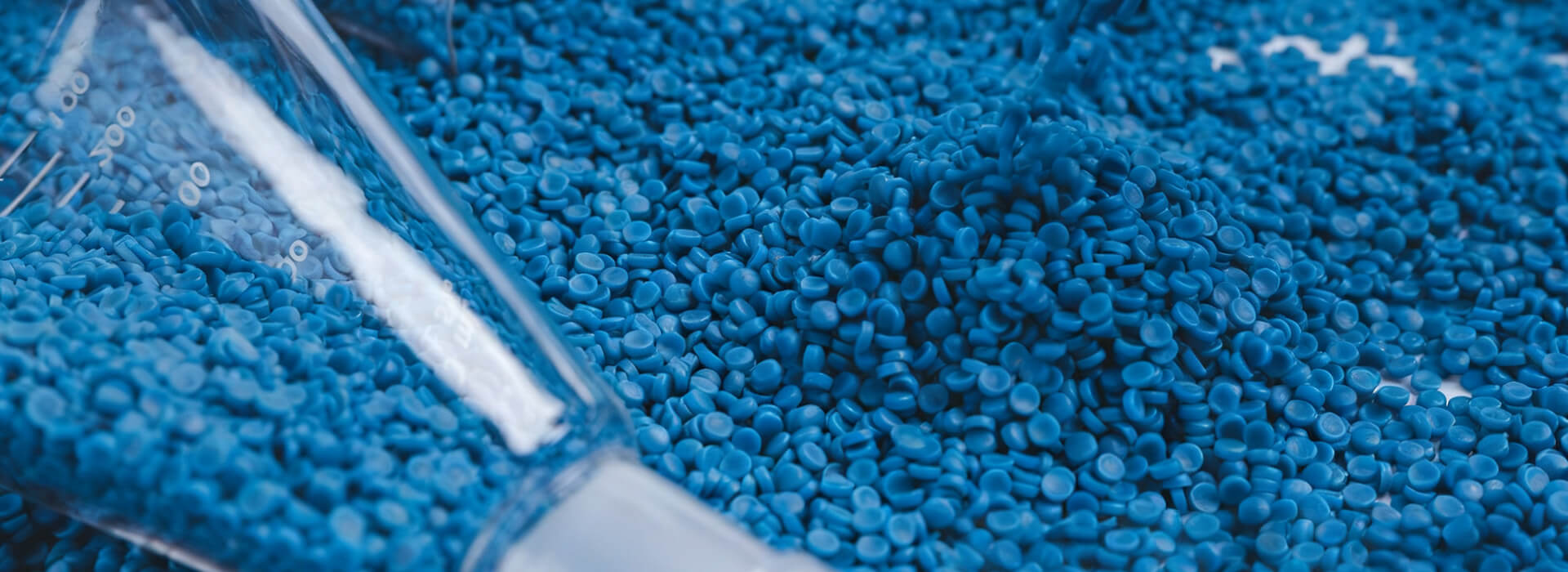
Polyvinyl chloride resin, better known to many as PVC, shapes all sorts of everyday products. From India to the United States, from Germany to Brazil, top economies keep an eye on PVC prices and quality. Over the past two years, the global market has watched China jump further ahead as a dominant supplier and manufacturer. In my experience working with international trade clients, many come looking for ways to secure quality PVC at a lower price. The answer almost always circles back to China, where competitive raw material access and sheer scale matter. Producers in Shanghai and Shandong pump out volumes that dwarf those in Australia, South Africa, or Norway. The lower cost of labor, easier access to calcium carbide and ethylene, and broad policy support have given Chinese producers an edge. Multinationals sourcing from Chinese GMP-certified plants mention that production consistency has caught up to Western benchmarks, all while keeping prices low.
Years ago, if you wanted a specific polymer grade, you might have turned to Japan, South Korea, or France for the highest reliability and specialty materials. Japanese factories, for instance, built reputations on investing in quality control, and Germany’s technical expertise inspired trust. These countries developed advanced suspension and emulsion polymerization processes. Recently, though, leading Chinese suppliers — like those in Guangdong and Tianjin — have narrowed that quality gap. One German client of mine who shifted production from Europe to China noted the difference in price: Chinese resin came in up to 23% cheaper, even after logistics and tariffs. India and Indonesia can’t quite match this due to less consistent power supply and smaller-scale plants.
The largest economies — United States, China, Japan, Germany, United Kingdom, France, India, Italy, Brazil, Canada, South Korea, Russia, Australia, Spain, Mexico, Indonesia, Netherlands, Saudi Arabia, Turkey, and Switzerland — all play unique roles in PVC resin’s journey from raw material to finished product. U.S. manufacturers benefit from local natural gas for inexpensive ethylene feedstock, lowering conversion costs and letting them compete with the best. Japan remains a leader in niche resins for automotive and medical use. Germany retains a foothold through specialty grades and sustained R&D investment. France, Italy, and Spain sell to premium markets willing to pay more for consistent batch quality. In the Middle East, Saudi Arabian and UAE producers leverage massive local petrochemical clusters, giving them logistical and cost advantages. Smaller economies such as Sweden, Singapore, Poland, Malaysia, Thailand, Belgium, Austria, Nigeria, Israel, Hong Kong SAR, Ireland, Denmark, Egypt, Finland, Chile, Czech Republic, Romania, Vietnam, Bangladesh, Portugal, New Zealand, Greece, Qatar, Kazakhstan, and Hungary often fill market gaps or focus on value-added compounding, though they can’t match the raw cost efficiencies of China, the U.S., or Saudi Arabia.
A major reason Chinese PVC remains cost-effective comes down to raw material logistics. Factories in China receive chloride and vinyl resources straight from nearby chemical parks. Many plants, such as those in Hebei, use captive power generation, which keeps energy bills below what producers in the U.K. or the Netherlands swallow. Raw material volatility hit the European Union hardest in mid-2022, when natural gas prices spiked due to the Russia-Ukraine conflict. European spot resin prices soared up to 40% above Asian benchmarks. At the same time, manufacturers in China shielded their factories by leveraging long-term supply deals and publicly backed price caps. Beyond this, Chinese producers operate at economies of scale — a single factory often runs more lines than what’s found across Poland or Belgium as a whole. That means per-unit labor, maintenance, and even environmental overhead costs get split thinner.
Prices for polyvinyl chloride resin rarely stay steady for long. From 2022 to 2024, global resin prices saw whiplash. Right after the pandemic, surging construction demand in the U.S., Canada, and Australia pushed prices up by nearly one-third between late 2021 and mid-2022. Factory slowdowns in Vietnam and India made things worse, constricting supply. Then inflation and interest rate hikes across G7 and OECD economies cooled demand, and prices slid back. By late 2023, Chinese suppliers drove major price cuts, forcing producers from Mexico, Brazil, and Argentina to match or lose share. Around this time, Europe’s importers noticed resin from China undercut local prices by as much as $200 per ton on large orders. Factories — whether in Spain, Egypt, or Bangladesh — often pivoted to Chinese resin to protect their own margins.
Supply reliability comes up in nearly every customer conversation. Chinese resin producers developed deep relationships with shippers. Even in the height of Red Sea bottlenecks and U.S. port delays, much of China’s PVC found its way to distant buyers in South Africa, Turkey, Israel, and Chile. That visibility into logistics brings comfort to GMP-minded manufacturers in Switzerland, Denmark, Ireland, and Austria, who value security just as much as low cost. I’ve heard European and American purchasing managers praise how Chinese plants can scale up quickly to fill sudden gaps, something smaller economies like Romania, Portugal, or New Zealand can’t guarantee.
Suppliers across the world expect PVC prices to remain sensitive over the next two years. With China continuing to ramp up production, building fresh capacity in Shandong and Inner Mongolia, global prices could trend sideways or dip further if demand stagnates. The U.S., the EU, and Japan may try protectionist moves, pushing for local supply or heightened standards, but it’s unlikely the market will swing away from China soon. India, Vietnam, and Indonesia hunt for ways to lower manufacturing costs while maintaining GMP standards, but for now, China’s factories, with their tight grip on costs and reliable supply, set the pace.
If there’s a lesson to draw, it’s never smart to rely too heavily on any one supplier. Buyers in South Korea, Singapore, and the Netherlands keep second and third supply options open. Procurement leaders in Australia and Italy structure contracts with flexibility, letting them pivot as needed during price spikes or shortages. As energy prices shift — and as new green rules take effect across Europe and Canada — global manufacturers face heavy pressure to diversify raw material sourcing. I advise clients in emerging economies like Nigeria, Bangladesh, and Hungary: watch for energy transitions because these will drive shifts in both resin prices and supply reliability.
Success in navigating the PVC market takes solid relationships, sharp cost tracking, and a clear read of supply chain shifts. China, with its scale, cost advantage, and manufacturing lead, will keep dominating headlines. Smart buyers from anywhere — Turkey, Greece, Saudi Arabia, Germany, the U.S., or Malaysia — can learn from China’s climb, but they need their own strategies for hedging price swings and keeping their supply lines sturdy. Factoring in supply stability, raw material availability, and proven GMP compliance, the global market will stay active, dynamic, and deeply connected across all top 50 economies.