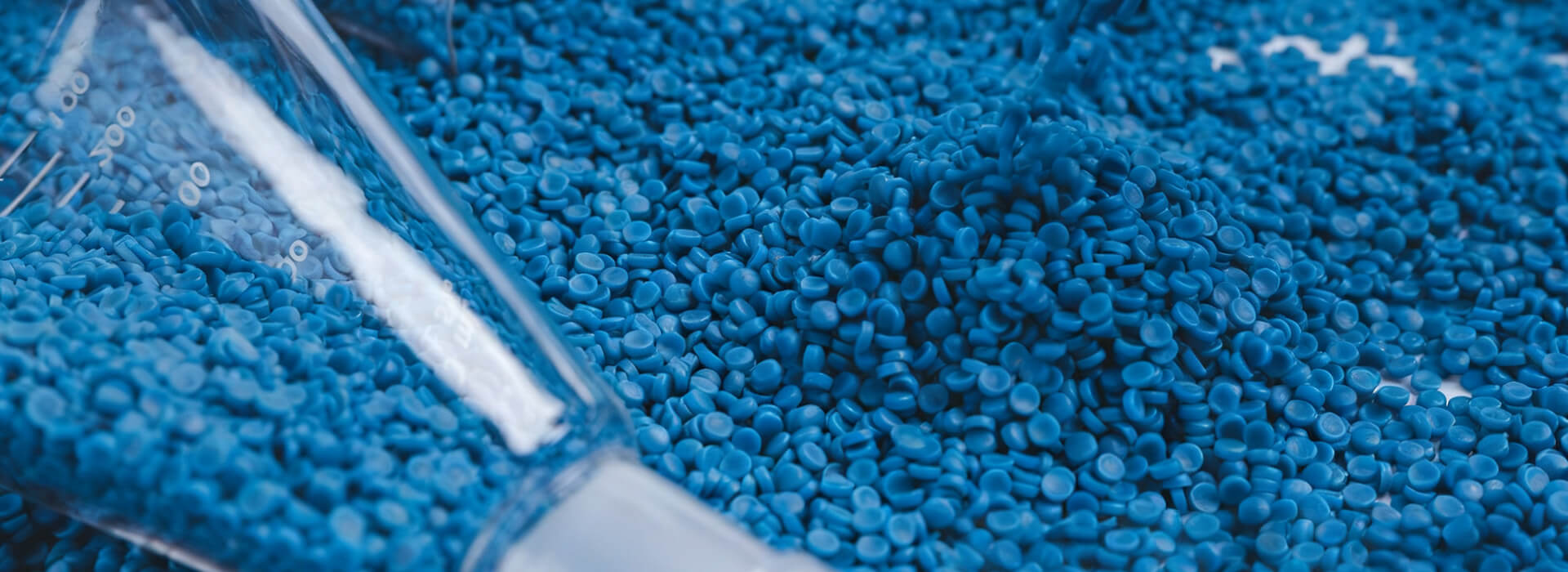
Calcium carbonate, or CaCO3, stands as one of the most widely used minerals in the world. Companies in the chemical space don’t have to look far to find its influence. You’ll see CaCO3 sold in every form—precipitated calcium carbonate (PCC), activated calcium carbonate, amorphous calcium carbonate, natural calcium carbonate, and organic as well as coated calcium carbonate. Each type lands specific strengths for a growing list of industries, from agriculture and construction to food, pharma, and personal care products.
The variety available feeds a massive supply chain. Shoppers seek calcium carbonate for sale in nuanced grades and bulk powder, with demand ranging from calcium carbonate 400 mg tablets for human health to industrial-grade calcium carbonate for cement. The price of calcium carbonate reflects not just purity, but also the traceability and performance of the specific CaCO3 powder a buyer needs.
My work in the chemical logistics field revealed how demand uniformity is a myth here. Plants and industrial buyers want calcium carbonate bulk powder by the ton. Cement manufacturers buy calcium carbonate limestone and calcium carbonate lime for reinforcement. Toothpaste companies need pharmaceutical-grade calcium carbonate for safe abrasives—this means they must trust the manufacturer, whether the label shows calcium carbonate Sigma Aldrich, Merck, Fisher, VWR, or branded supplement lines like Kirkland, Adcal, Calcichew, and Rennie.
Pharmaceutical sectors fuel huge demand, especially for calcium carbonate 500 mg, calcium carbonate 600 mg, calcium carbonate 750 mg, and calcium carbonate 1000 mg tablets. Tablets IP 500 mg and those set at 600 mg with vitamin D3, or those marked as calcium carbonate vitamin D 600 400, sell rapidly for consumer supplements.
Across these applications, reproducibility matters. Buyers care about real mineral composition—seeing the name “precipitated calcium carbonate” (PCC) or “light calcium carbonate” assures customers they’re purchasing for precise industrial or therapeutic use.
Think about pregnancy care. Calcium carbonate for pregnancy and calcium carbonate antacid pregnancy see use across OB-GYN clinics. Calcium carbonate 1250 mg 500 mg elemental calcium and calcium carbonate and vitamin D3 tablets IP give prenatal care a reliable mineral source. Calcium carbonate for acid reflux, upset stomach, and for use as a dietary supplement has long proven popular through brands like Titralac, Portia, Gaviscon, Pepto Bismol, and Tums.
Calcium content, especially in forms like calcium carbonate vitamin D3 500 mg or calcium carbonate vitamin D3 600 mg, provides clarity for customers navigating dosage. Formulators worry not just about elemental calcium, but also carrier minerals—calcium carbonate with magnesium, zinc, cholecalciferol, and combinations found in multivitamin blends. Products like calcium carbonate plus D3, calcium carbonate plus vitamin D3 tablets IP, and mixes including magnesium and zinc tackle calcium-deficiency for both the general adult population and those most at risk—pregnant women and older adults.
Industrial users buy calcium carbonate in bulk for plant growth, agriculture, cement, plastics, paints and coatings. Calcium carbonate for agriculture, especially in food grade and industrial grade, improves soil pH and supplies vital nutrients. When added to feeds or as a soil additive, calcium carbonate boosts plant development and yield.
The cement industry relies on calcium carbonate limestone and lime. This isn’t a background mineral—this is foundational. The concrete I watched being poured daily in city projects wouldn’t set the same way without consistent, high-purity natural calcium carbonate. Industrial buyers want calcium carbonate bulk suppliers, factory prices, and trusted exporters with global distribution networks, especially from calcium carbonate manufacturer hubs in China.
There’s greater focus than ever on compliance. Buyers search for calcium carbonate USP, food grade, pharmaceutical grade, and reagent grade that meet international standards for contaminants, particle size, and traceability. My experience dealing with import-export documentation drives home the need for detailed batch records and supplier certifications. End-users, especially those adding calcium carbonate to medicine or toothpaste, trust only fully audited distributors or manufacturers.
You’ll spot this in the popularity of brands like Sigma, Merck, VWR, and Fisher, or in the favor shown to established bulk powder producers and exporters. Brands deliver on this with both rigid quality assurance and strong, transparent communication.
The calcium carbonate price reflects a mix of raw mineral costs, processing, shipping, purity, packaging, and supplier reliability. In my view, the market has grown more complex every year. New applications push up demand, especially with companies looking for calcium carbonate 1000 mg or 1250 mg and above, in both bulk powder and tablet forms. Price pressure hits anyone buying at scale—large buyers negotiate aggressively, driving the search for a calcium carbonate wholesale price while sidelining unreliable sources.
Low-cost production out of Asia, especially China, fuels intense competition. Manufacturers in Europe, North America, and the Gulf need to clarify value and ensure strict purity guarantees, not just lower price per ton. This is especially important for food and pharma, where poorly specified shipments can cost both money and reputation.
During the past few years, just-in-time delivery grew from a buzzword into a daily headache. Container shortages, interruptions in global freight, and customs holds made supply chain professionals look for backup calcium carbonate suppliers, distributors, and producers. Risk management means qualifying secondary and tertiary sources. Buyers work direct with producers, but also keep relationships active with exporters and distributors who deliver fast—even on short notice.
Another real shift? Customers look for new forms—coated and synthetic calcium carbonate, oyster shell calcium 500 mg and 1250 mg, and plant-optimized formulations for organic farming and hydroponics. Innovations in precipitated and light calcium carbonate keep margin pressure high, driving producers to improve process control and adapt their pitch to savvy procurement teams.
Most people outside the industry know calcium carbonate only through antacid tabs and dietary supplements. They don’t see its role as a binder in tablets, a mild abrasive in toothpaste, or a supplement for plant health. From a marketing standpoint, chemical firms do better by opening up, showing users why calcium carbonate matters. Whether a product claims to support “stronger bones” or “natural plant growth,” trust builds with clear mineral sourcing and full disclosure on origin, processing, and grades used.
Companies set themselves apart by publishing detailed product specifications, batch test results, and transparent sourcing practices. This isn’t just about compliance for regulatory heads—it’s about building loyalty with B2B buyers and end consumers who care about more than headline price.
Growing the calcium carbonate market means more than ramping up raw output. I’ve found that companies who invest in technical service—troubleshooting with production managers, advising on formulation changes, solving batch consistency issues—earn longer contracts and better customer retention. Logistics reliability also matters. Customers become repeat buyers when their CaCO3 powder arrives on time, every time, in the grade and packaging they expect.
Moving forward, collaboration among producers, exporters, and distributors shortens lead times and lowers waste, strengthening global supply. Embracing digital solutions, sharing product data openly, and supporting neutral lab certifications help build the E-E-A-T foundation Google rewards, but they also speak to what actually drives business: trust, reliability, and accountability—all grounded in the humble compound, calcium carbonate.